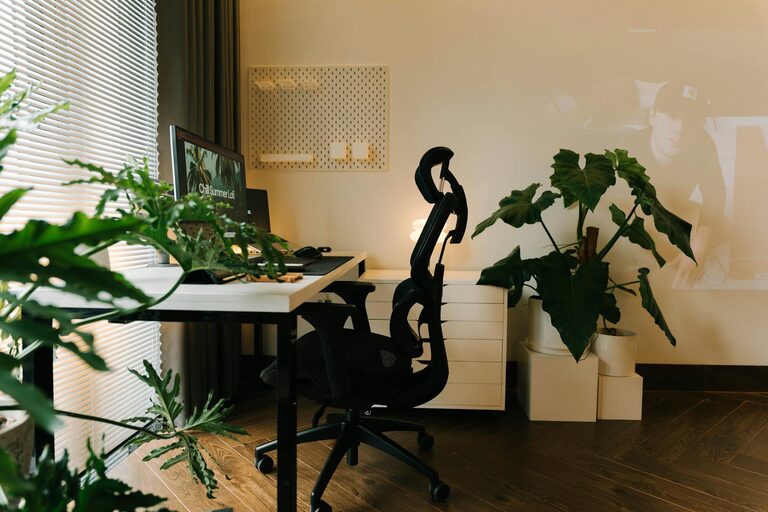
Creating a cozy and productive home office environment is essential for anyone working remotely or managing tasks from home. A well-designed workspace can enhance focus, reduce stress, and increase efficiency throughout your workday. Whether you have a dedicated room or a small corner, these tips will help you transform your area into a comfortable and motivating office.
Choose the Right Location
Find a Quiet Spot
Select a place in your home that minimizes noise and distractions. Near a window can be ideal, as natural light boosts mood and alertness. Avoid high-traffic areas like the kitchen or living room if possible.
Consider Privacy
If you share your home, find a spot where you can have privacy during meetings or focused work. Using room dividers or noise-cancelling headphones can help maintain concentration.
Invest in Ergonomic Furniture
Comfortable Chair
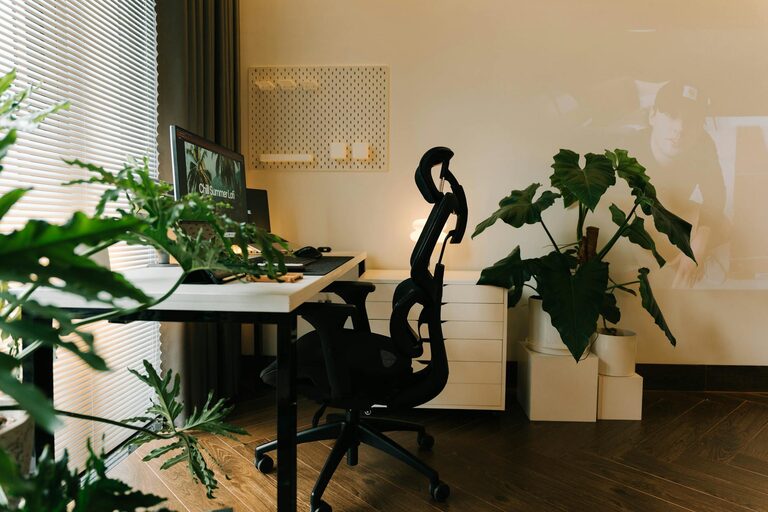
A supportive chair with adjustable height and lumbar support is crucial for comfort and posture. Sitting properly prevents back pain and fatigue over long working hours.
Desk Size and Height
Choose a desk that fits your space and allows for comfortable arm positioning while typing. Adjustable desks that can convert between sitting and standing positions offer extra benefits.
Optimise Lighting
Use Natural Light
Position your desk near windows to take advantage of daylight. Natural light improves productivity and reduces eye strain.
Add Task Lighting
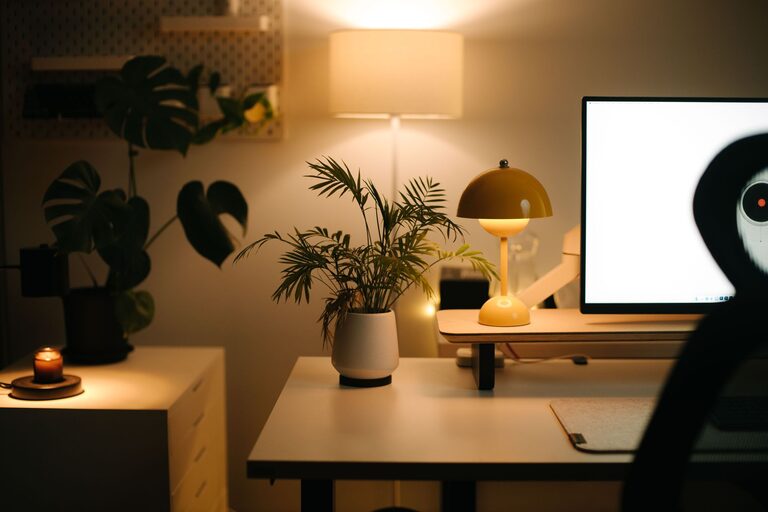
Supplement overhead lighting with a desk lamp for focused tasks, especially in the evenings or darker rooms. Adjustable lamps allow you to control brightness and direction.
Personalise Your Workspace
Add Comfort Elements
Throw pillows, a soft rug, or a cozy blanket can make the area more inviting and pleasant during work breaks.
Include Personal Touches
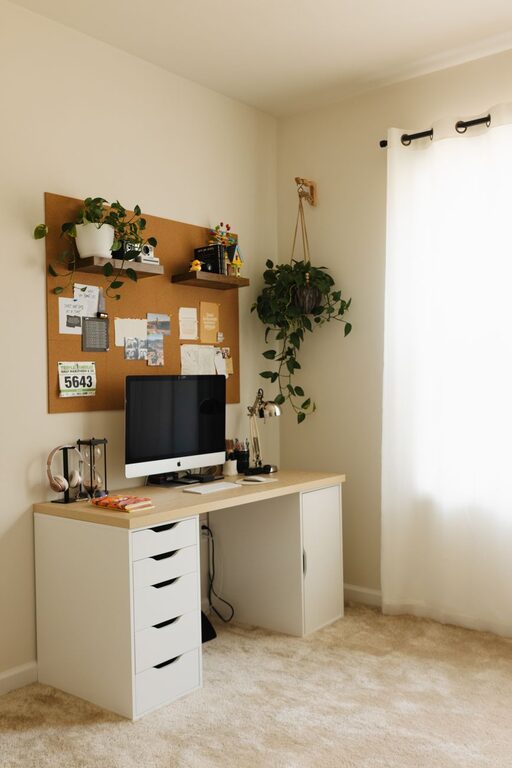
Photos, artwork, or plants bring personality and freshness to your office. Plants, in particular, improve air quality and reduce stress.
Stay Organised
Declutter Regularly
Keep your desk tidy by only having essentials out. Use cable organizers, trays, or small boxes to store supplies.
Use Effective Storage Solutions
Shelves, cabinets, and drawer units help keep paperwork and tools out of sight but within reach. Label storage containers for easy access.
Manage Noise and Distractions
Noise-Reducing Techniques
Soft furnishings like curtains and rugs absorb sound. Consider white noise machines or background music to mask distracting noises.
Set Boundaries
Communicate your work hours to family members or housemates. Use signs or signals to indicate when you’re not to be disturbed.
Incorporate Technology Wisely
Reliable Equipment
Ensure you have a strong internet connection and functional hardware like your computer, printer, and phone.
Cable Management
Keep cords organized and out of your way to avoid clutter and potential hazards.
Adopt Healthy Habits
Take Breaks
Step away from your desk regularly to stretch and rest your eyes. Short breaks enhance concentration and well-being.
Maintain Good Posture
Adjust your chair and screen height to encourage sitting straight. Use footrests or cushions if needed.
Create a Routine
Define Work Hours
Having clear start and end times helps maintain a healthy work-life balance and signals when it’s time to focus.
Plan Your Day
Use calendars or to-do lists to organise tasks, reducing stress and increasing productivity.
—
Designing your home office as a cozy and inviting spot will support your daily workflow and comfort. Small changes, like improving lighting, adding personal touches, and organising efficiently, all contribute to a productive environment. With these tips, your home office can become a place where work feels easier and more enjoyable.
About the Author