Creating a productive home office environment is essential for anyone working remotely or running a business from home. A well-organized, comfortable, and motivating workspace helps improve focus and efficiency, making work feel less like a chore and more like a rewarding activity. This guide offers practical tips to help you set up a home office that enhances your productivity and well-being.
Choose the Right Location
Finding the ideal spot for your home office is the first step. Aim for a quiet area with minimal distractions, ideally separated from the main living spaces. Natural light is a big plus—it can improve mood and reduce eye strain. If you don’t have a dedicated room, consider a corner or nook that can be closed off or clearly marked as your workspace.
Invest in Ergonomic Furniture
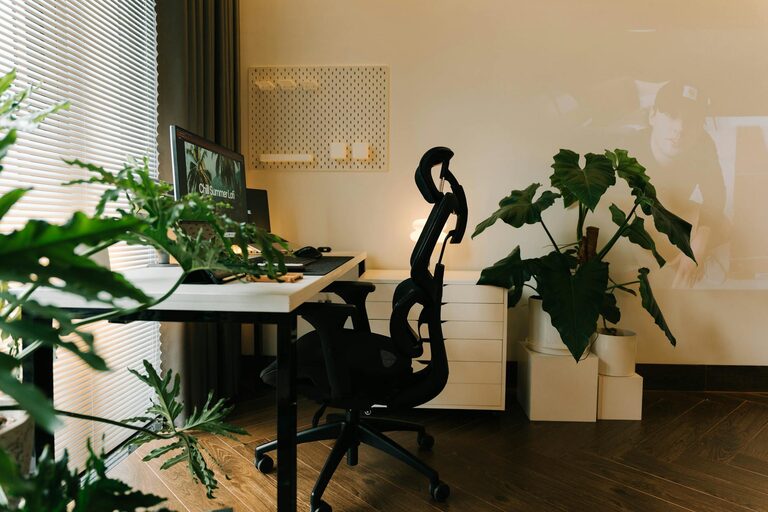
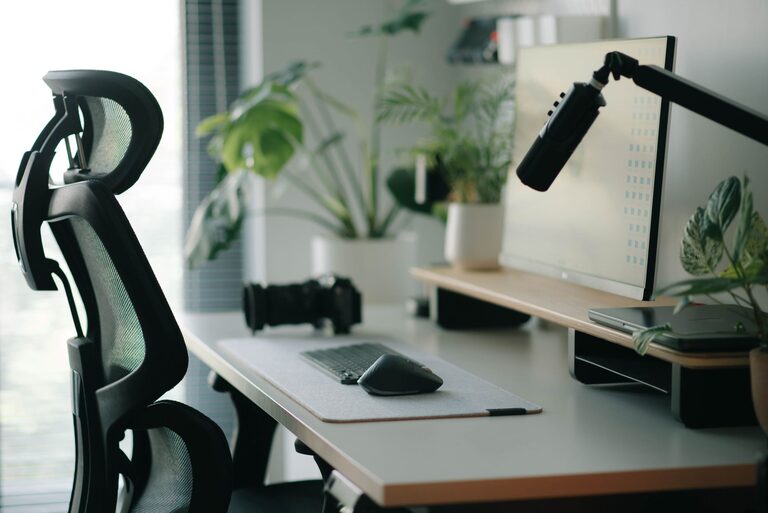
Comfort matters more than you might think. Choose a chair with good lumbar support to maintain proper posture and reduce back pain. Your desk should be at a height where your arms rest comfortably while typing, and your feet should rest flat on the floor or a footrest. Ergonomic accessories like a keyboard tray, monitor stands, or adjustable desks can further enhance comfort.
Organize Your Space Efficiently
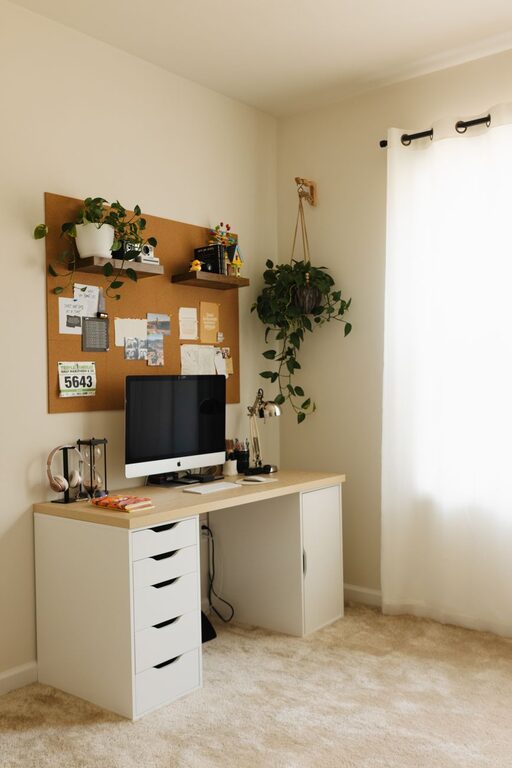
Clutter can hinder focus, so keep your workspace neat and tidy. Use storage solutions like shelves, drawers, or filing cabinets to organize documents and supplies. A clean desk with only essential items promotes a clear mind. Consider cable management tools to keep cords out of sight and avoid a tangled mess.
Helpful Organisation Tips:
– Use trays or containers for small items like pens and paper clips
– Label storage boxes for quick access
– Keep frequently used tools within arm’s reach
– Set up a system for incoming and outgoing paperwork
Manage Lighting and Screen Position
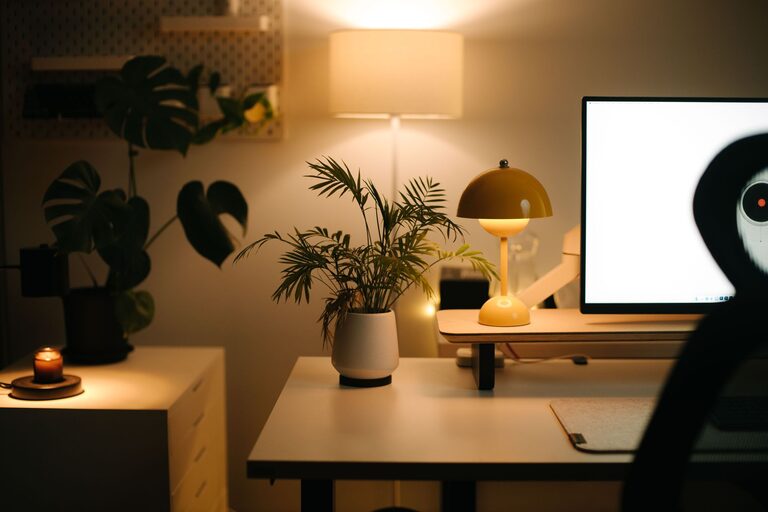
Proper lighting is key to avoiding eye strain. Combine natural light with adjustable artificial lighting to brighten your space evenly. Position your monitor perpendicular to windows to reduce glare and reflections. The top of your screen should be at or slightly below eye level to maintain a neutral neck position.
Minimize Distractions
Distractions can take many forms, from household noise to notifications on your devices. Communicate your working hours to family or housemates to reduce interruptions. Use headphones or white noise machines to block out background sounds if necessary. Turn off non-essential notifications on your computer and phone during work sessions.
Personalise Your Workspace
A space that feels welcoming and inspiring can boost motivation. Add personal touches such as plants, artwork, or a vision board. Greenery not only beautifies your office but can also improve air quality and concentration. Choose décor that energises you without overpowering the space.
Set Up Technology Properly
A smooth running technology setup prevents frustration. Ensure a reliable internet connection, and invest in a quality webcam and microphone if you frequently attend video calls. Keep your software and devices updated for security and efficiency. Back up important work regularly to avoid data loss.
Establish a Routine and Boundaries
Creating a productive home office isn’t only about the physical space. Set regular work hours, take scheduled breaks, and stick to a routine just as you would in a traditional office. Clearly separate work time from personal time to avoid burnout. Using a dedicated workspace helps signal your brain when it’s time to focus and when it’s time to relax.
Incorporate Movement and Breaks
Sitting for long periods can negatively affect health and productivity. Plan short breaks every hour to stand, stretch, or move around. Use a timer or apps designed for reminding you to take breaks. Incorporating simple exercises can refresh your mind and reduce muscle stiffness.
Keep Improving Your Workspace
As your work habits and needs evolve, so should your home office. Regularly assess whether your setup is still meeting your requirements. Small changes like adjusting your chair height, updating your monitor position, or decluttering can make a big difference.
—
A productive home office is a blend of comfort, organisation, and discipline. By following these tips, you can create a space that supports your work goals and enhances your overall well-being. Remember, the best office is one that fits your unique style and needs—so take time to personalise and optimise your environment for success.
About the Author