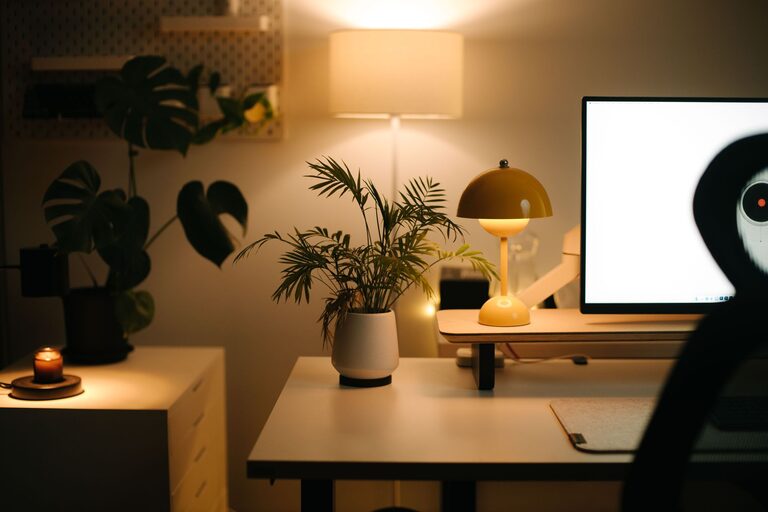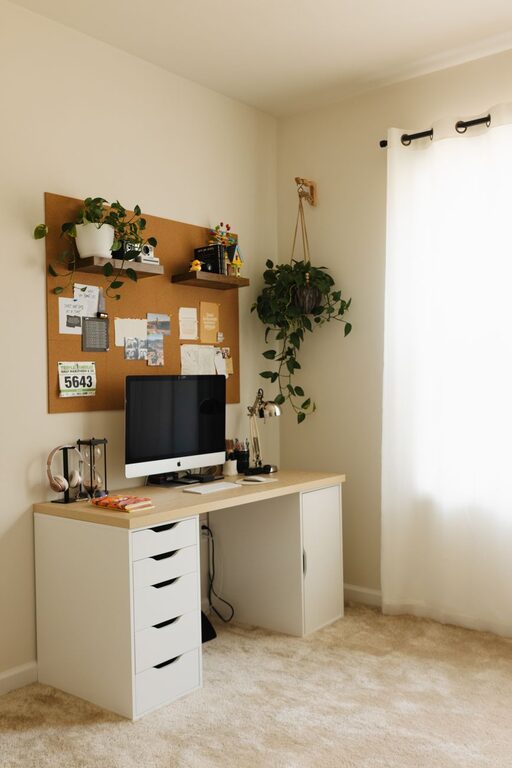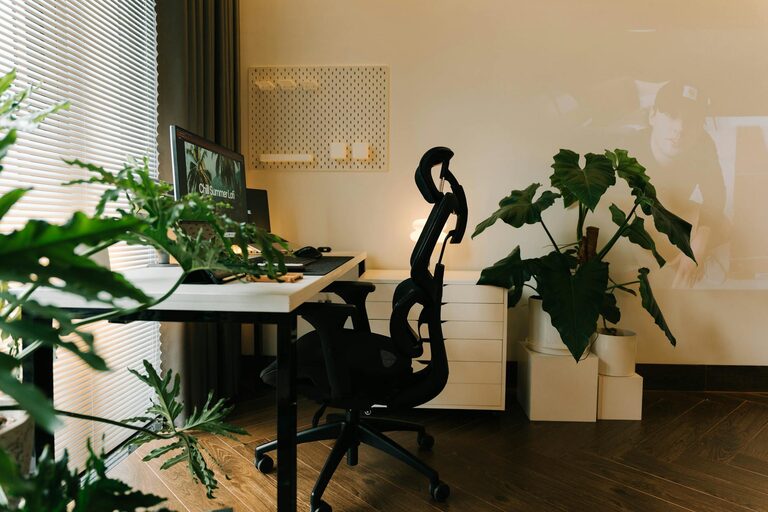

Creating a sustainable home office environment is not only good for the planet but can also enhance your comfort and productivity. With more people working from home than ever before, finding eco-friendly solutions that make your workspace efficient and sustainable has become essential. Here are some top tips to help you create a home office that supports both your work goals and environmental values.
1. Choose Energy-Efficient Equipment
One of the biggest energy consumers in a home office is electronic equipment. To reduce your environmental impact, opt for energy-efficient devices.
What to look for:
– Energy Star certified computers, monitors, and printers
– LED lighting instead of incandescent or fluorescent bulbs
– Power strips with switches to easily turn off multiple devices when not in use
Not only do these choices help save energy, they often reduce electricity costs over time.
2. Use Sustainable Furniture and Materials
Furniture contributes a lot to the overall sustainability of your office. Consider the following when selecting desks, chairs, or storage units:
– Materials: Choose furniture made from recycled, reclaimed, or sustainably sourced wood and materials.
– Durability: Invest in high-quality pieces that will last for years instead of cheap, disposable items.
– Secondhand options: Thrift shops, online marketplaces, and office refurbishers offer great used furniture at affordable prices.
By reusing and choosing sustainable materials, you reduce waste and the demand for new manufacturing.
3. Optimize Natural Light
Natural light has many benefits including reducing the need for artificial lighting and improving your mood and productivity.
– Position your desk near windows to take advantage of daylight.
– Use light curtains or blinds to control glare without blocking all sunlight.
– Arrange your workspace to maximize exposure to daylight throughout the day.
Reducing reliance on electrical lighting is an easy way to lower energy consumption.
4. Minimize Paper Use
Going digital is one of the simplest ways to create a more sustainable office.
– Use digital documents and cloud storage instead of printing.
– If printing is necessary, use recycled paper and print double-sided.
– Recycle all paper waste responsibly.
Reducing paper use saves trees and decreases waste in landfills.
5. Manage Waste Effectively
Setting up a recycling system in your home office encourages proper waste disposal.
– Have separate bins for paper, plastic, electronics, and general waste.
– Dispose of batteries and electronic equipment with local recycling programs.
– Avoid single-use items like disposable cups or plastic utensils by using reusable alternatives.
Proper waste management lowers the environmental impact and promotes recycling habits.
6. Incorporate Plants into Your Space
Plants not only enhance air quality but also contribute to a calm and productive atmosphere.
– Choose low-maintenance, air-purifying plants like spider plants, pothos, or succulents.
– Place them where they receive adequate light.
– Regularly care for your plants to keep your office green and vibrant.
Bringing a bit of nature indoors supports wellbeing and sustainability.
7. Control Indoor Air Quality
Maintaining fresh and healthy air improves focus and comfort while you work.
– Use natural ventilation by opening windows regularly.
– Avoid synthetic air fresheners; use essential oils or natural alternatives instead.
– Select non-toxic, eco-friendly paints and cleaning products for your office.
Better air quality means a healthier work environment for you.
8. Reduce Water Waste
While water usage in a home office is usually low, there are ways to minimize waste.
– Fix leaks quickly in any sinks or appliances nearby.
– Use water-saving fixtures if possible.
– Be mindful of water use when cleaning your office space.
Every small effort counts toward a more sustainable home.
9. Choose Eco-Friendly Office Supplies
Switching to environmentally responsible office supplies is simple and impactful.
– Use refillable pens and pencils made from recycled materials.
– Opt for non-toxic, biodegradable staples and adhesives.
– Recycle or repurpose supplies whenever possible.
Sustainable supplies reduce plastic waste and resource consumption.
10. Create a Sustainable Work Routine
Your habits contribute just as much as your setup.
– Turn off lights and devices when not in use.
– Take breaks outside to connect with nature.
– Plan your workday efficiently to minimize unnecessary energy use.
Building green habits helps maintain a sustainable home office in the long run.
—
Creating a sustainable home office combines thoughtful design, smart choices, and everyday practices. By implementing these tips, you’ll enjoy a workspace that supports your productivity and promotes environmental responsibility. Start small, stay consistent, and watch your sustainable office grow into a place you love to work in every day.
About the Author